

If you’ve ever experienced the misery of seasonal allergies—constant sneezing, watery eyes, and that unbearable nasal congestion—you know how desperately you want relief. While conventional antihistamines work for many people,
they often come with drowsiness and other side effects that make daily life challenging. That’s why thousands are turning to homeopathic remedies as gentler, natural alternatives for managing hay fever and allergic rhinitis symptoms.
In this comprehensive guide, we’ll explore the most effective homeopathic treatments backed by traditional use and clinical observations, helping you find natural relief without the grogginess.
Understanding Seasonal Allergies and How Homeopathy Can Help
Seasonal allergies, medically known as allergic rhinitis, occur when your immune system overreacts to airborne allergens like pollen, mold spores, and dust. The result? Your body releases histamine, triggering that cascade of uncomfortable symptoms we all dread.
Homeopathy approaches allergies differently than conventional medicine. Instead of simply suppressing symptoms, homeopathic remedies work with your body’s natural healing mechanisms to reduce sensitivity to allergens over time. Many people find this holistic approach provides relief without the side effects associated with traditional antihistamines.
Top Homeopathic Remedies for Seasonal Allergies
1. Allium Cepa: The Go-To for Watery Eyes and Runny Nose
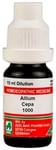
If your allergies make you look like you’ve been chopping onions all day, Allium Cepa might be your answer. Made from red onion, this remedy is specifically indicated when you experience:
- Profuse, watery nasal discharge that burns the upper lip
- Streaming eyes with bland (non-irritating) tears
- Symptoms that worsen indoors and improve in open air
- Frequent sneezing with a tickling sensation in the larynx
Allium Cepa for watery eyes and runny nose typically comes in 30C potency and can be taken 3-4 times daily during acute episodes.
2. Arsenicum Album: Relief for Burning Sensations
Arsenicum Album benefits for allergies are particularly notable when you experience burning nasal discharge combined with chills and restlessness. This remedy suits people whose symptoms include:
- Thin, watery discharge that irritates the nose and upper lip
- Sneezing that doesn’t relieve the tickling sensation
- Feeling worse between midnight and 2 AM
- Anxiety and restlessness accompanying physical symptoms
- Desire for warm drinks despite burning sensations


3. Sabadilla 30c: For Violent Sneezing Fits
When sneezing becomes your main complaint—especially those exhausting fits that seem never-ending—Sabadilla 30c for violent sneezing fits often provides quick relief. This remedy is indicated when:
- Sneezing occurs in rapid succession (sometimes 10-20 times in a row)
- You have an intense itching sensation in the nose
- There’s a frontal headache accompanying the sneezing
- Symptoms worsen from cold air and improve with warmth
- You feel unusually sensitive to smells
4. Natrum Muriaticum: When Allergies Follow Emotional Stress
Some people notice their allergies flare up during stressful periods. Natrum Muriaticum addresses both the emotional and physical aspects when you experience:
- Sneezing attacks, especially in the morning
- Clear, egg-white-like nasal discharge
- Loss of smell and taste
- Cold sores appearing along with allergy symptoms
- Craving for salty foods
5. Euphrasia: Reversing the Allium Cepa Pattern
While Allium Cepa causes bland tears and burning nasal discharge, Euphrasia (Eyebright) presents the opposite picture:
- Profuse, burning tears that irritate the cheeks
- Bland nasal discharge
- Eyes that are red, swollen, and extremely sensitive to light
- Symptoms that improve outdoors and worsen indoors
Natural Treatment for Hay Fever and Sneezing: Additional Remedies
Homeopathy for Allergic Rhinitis Symptoms
Beyond the primary remedies, several other homeopathic medicines address specific allergy presentations:
Wyethia: For intense itching in the throat and behind the soft palate, making you want to constantly clear your throat or rub the roof of your mouth with your tongue.
Nux Vomica: When you’re irritable, chilly, and your nose alternates between being stuffed up and running. Particularly useful for allergies triggered by strong odors or in the morning.
Pulsatilla: For thick, yellow-green nasal discharge (indicating later stages of hay fever), loss of smell, and symptoms that change frequently. People needing this remedy typically feel better in open air.
Homeopathic Medicine for Dust Allergy
Dust allergies require special attention since exposure happens year-round. The best homeopathic medicine for dust allergy depends on your specific symptoms:
- Bromium: For allergies triggered by dust with difficulty breathing and a feeling of suffocation
- Pothos Foetidus: When dust causes immediate sneezing and nasal stuffiness
- Arundo: For intense itching of the palate and nostrils after dust exposure
Safe Allergy Relief for Children: Homeopathy for Kids
Parents constantly search for safe allergy relief for children, and homeopathy offers gentle options suitable for all ages. The remedies mentioned above can be safely used in children, with dosing adjusted based on age:
- Infants to 2 years: 1-2 pellets dissolved in water
- Ages 2-6: 2-3 pellets under the tongue
- Ages 6+: 3-4 pellets, same as adults
Key child-friendly remedies include:
Dulcamara: For allergies that worsen in damp, cold weather or after getting wet.
Sabadilla: Excellent for children who sneeze constantly, especially upon waking.
Allium Cepa: Perfect for kids with that constant “runny faucet” nose during pollen season.
Always consult with a qualified homeopathic practitioner before treating children, especially those under two years old.
Homeopathic Antihistamine Alternatives: Do They Really Work?
Many people wonder if homeopathic antihistamine alternatives can truly replace conventional medications. While homeopathy works differently than pharmaceutical antihistamines, numerous individuals report significant symptom relief. The key differences:
Conventional Antihistamines:
- Block histamine receptors immediately
- Work within 30-60 minutes
- May cause drowsiness, dry mouth, and dizziness
- Require daily use throughout allergy season
Homeopathic Remedies:
- Support the body’s natural regulatory mechanisms
- May take longer to show effects initially (days to weeks)
- Generally free from side effects
- Can be used as needed or preventatively
For best results, many practitioners recommend starting homeopathic treatment before allergy season begins, using remedies preventatively to reduce overall sensitivity.
How to Choose the Right Remedy for Your Symptoms
Selecting the best homeopathic remedies for seasonal allergies requires matching your specific symptom pattern to the remedy profile. Here’s a practical decision tree:
Start with your most prominent symptom:
- If watery, burning nasal discharge dominates → Try Allium Cepa or Arsenicum Album
- If violent sneezing is your main issue → Consider Sabadilla
- If eye symptoms are worse than nasal symptoms → Euphrasia is your friend
- If symptoms change frequently → Look at Pulsatilla
- If dust is your primary trigger → Explore dust-specific remedies
Observe modifying factors:
- What makes symptoms better or worse?
- What time of day are symptoms strongest?
- Are you unusually thirsty or have food cravings?
- What’s your emotional state when allergies are active?
Finding Professional Help: Best Homeopath for Allergies Near Me
While over-the-counter homeopathic remedies work well for many people, consulting a qualified practitioner can provide personalized treatment that addresses your unique constitution. When searching for the “best homeopath for allergies near me,” consider:
- Certification: Look for practitioners certified by recognized homeopathic organizations
- Experience: Ask about their experience treating allergies specifically
- Approach: Find someone who takes detailed case histories and considers your whole person
- Reviews: Check testimonials from other allergy sufferers
- Consultation style: Ensure they explain treatment plans clearly and answer questions
Professional homeopaths can create constitutional remedies tailored to your individual needs, potentially providing deeper, longer-lasting relief than acute remedies alone.
Practical Tips for Using Homeopathic Remedies Effectively
To maximize the effectiveness of your homeopathic treatment:
Dosing Guidelines:
- Start with 30C potency for acute symptoms
- Take 3-4 pellets under the tongue
- Allow pellets to dissolve without chewing
- Avoid eating or drinking 15 minutes before and after taking remedies
- Repeat every 2-4 hours during acute episodes, less frequently as symptoms improve
Storage and Handling:
- Keep remedies away from strong-smelling substances (coffee, camphor, mint)
- Store in a cool, dark place
- Don’t touch pellets with your hands—tap them into the bottle cap first
- Replace remedies that become exposed to extreme heat or direct sunlight
Combining with Lifestyle Changes:
- Keep windows closed during high pollen count days
- Use HEPA filters in your home
- Shower after being outdoors to remove pollen from hair and skin
- Consider a neti pot for nasal irrigation (separate from homeopathic treatment)
- Stay hydrated to help thin mucus secretions
Frequently Asked Questions About Homeopathic Allergy Treatment
1. How quickly do homeopathic remedies work for allergies?
Response time varies by individual and severity of symptoms. Some people experience relief within hours of taking the correct remedy, while others may need several days of consistent use. For seasonal allergies, starting treatment 4-6 weeks before allergy season often provides the best preventative results. Acute symptoms during severe allergy attacks may require more frequent dosing initially, with improvement typically noticed within 24-48 hours.
2. Can I take homeopathic remedies alongside conventional allergy medications?
Yes, homeopathic remedies can generally be taken alongside conventional antihistamines or other allergy medications. Many people use homeopathy to gradually reduce their dependence on pharmaceutical drugs. However, always inform both your doctor and homeopath about all medications you’re taking. As symptoms improve with homeopathic treatment, you may be able to reduce conventional medication doses under professional guidance.
3. Are there any side effects from homeopathic allergy remedies?
Homeopathic remedies are generally considered safe with minimal risk of side effects due to their highly diluted nature. Some people may experience a temporary worsening of symptoms (called a “healing aggravation”) when they first start treatment, which typically resolves quickly. Unlike conventional antihistamines, homeopathic remedies don’t cause drowsiness, dry mouth, or cognitive impairment. Pregnant women, nursing mothers, and young children should consult a qualified practitioner before starting treatment.
4. What’s the difference between 6C, 30C, and 200C potencies?
These numbers indicate how many times the original substance was diluted and succussed (vigorously shaken). For allergies, 30C is the most commonly recommended potency for home use. Lower potencies (6C, 12C) may need more frequent dosing and are gentler, while higher potencies (200C, 1M) are typically used under professional guidance for deeper constitutional treatment. When starting out, stick with 30C and repeat as needed based on symptom response.
5. How do I know which homeopathic remedy to choose when several seem to match my symptoms?
If multiple remedies seem applicable, start with the one that matches your most distinctive or bothersome symptom. For instance, if you have both watery eyes and sneezing, but the violent sneezing disrupts your life more, try Sabadilla first. If there’s no improvement after 24-48 hours of regular dosing, switch to the next best match. Working with a professional homeopath can eliminate this trial-and-error process through detailed case-taking that identifies your exact remedy match.
6. Can homeopathy cure seasonal allergies permanently, or just manage symptoms?
Homeopathy aims to reduce the body’s hypersensitivity to allergens over time, potentially providing long-term relief rather than just symptom suppression. Many people report reduced allergy severity and frequency after constitutional homeopathic treatment over several months to years. However, results vary individually—some people achieve complete resolution, while others experience significant improvement but still need occasional remedies during high-allergen periods. Acute remedies manage symptoms, while constitutional treatment addresses underlying susceptibility.
7. Is it safe to give homeopathic remedies to children and pets?
Yes, homeopathic remedies are generally safe for children of all ages and even pets when used appropriately. For infants and toddlers, dissolve pellets in water rather than placing directly in the mouth to prevent choking hazards. Dosing is typically the same regardless of age or weight in homeopathy—it’s the potency and frequency that matter. For safe allergy relief for children, start with lower potencies (6C or 30C) and consult a pediatric homeopath for persistent or severe symptoms. Veterinary homeopaths can guide pet allergy treatment.
8. Where should I buy homeopathic remedies, and what should I look for in quality?
Purchase homeopathic remedies from reputable sources including health food stores, homeopathic pharmacies, and established online retailers. Look for remedies manufactured according to the Homeopathic Pharmacopoeia of the United States (HPUS) standards. Reputable brands include Boiron, Hylands, and Washington Homeopathic Products. Avoid remedies that have been exposed to extreme temperatures during shipping. Single remedies (rather than combination formulas) allow for more precise matching to your symptom picture and are generally preferred by classical homeopaths.
Conclusion: Finding Your Natural Path to Allergy Relief
Seasonal allergies don’t have to control your life. Whether you experience violent sneezing fits, streaming eyes, or relentless nasal congestion, there’s likely a homeopathic remedy that matches your unique symptom picture. The best homeopathic remedies for seasonal allergies—from Allium Cepa for runny noses to Sabadilla for sneezing to Arsenicum Album for burning symptoms—offer gentle, natural alternatives to conventional medications.
Remember that homeopathy is highly individualized. What works brilliantly for one person might not help another with seemingly similar symptoms. Pay attention to the specific characteristics of your allergies, consider what makes them better or worse, and choose remedies accordingly. For complex cases or chronic allergies, consulting with a qualified homeopathic practitioner can provide the personalized guidance needed for optimal results.
This allergy season, you have options beyond drowsiness-inducing antihistamines. Explore these natural treatment options for hay fever and sneezing, and discover the relief that works best for your body’s unique needs.
References
- National Center for Homeopathy. (2024). “Homeopathic Treatment for Allergies and Hay Fever.” Retrieved from https://www.homeopathycenter.org
- Reilly, D., Taylor, M.A., Beattie, N.G., et al. (1994). “Is evidence for homeopathy reproducible?” The Lancet, 344(8937), 1601-1606.
- Wiesenauer, M., & Lüdtke, R. (1996). “A meta-analysis of the homeopathic treatment of pollinosis with Galphimia glauca.” Forschende Komplementarmedizin, 3(4), 230-234.
- Taylor, M.A., Reilly, D., Llewellyn-Jones, R.H., et al. (2000). “Randomised controlled trial of homeopathy versus placebo in perennial allergic rhinitis with overview of four trial series.” BMJ, 321(7259), 471-476.
- Boericke, W. (2004). “Pocket Manual of Homeopathic Materia Medica & Repertory.” B. Jain Publishers.
- American Academy of Allergy, Asthma & Immunology. (2025). “Allergic Rhinitis: Overview and Treatment Options.” Retrieved from https://www.aaaai.org
- Ullman, D. (2007). “The Homeopathic Revolution: Why Famous People and Cultural Heroes Choose Homeopathy.” North Atlantic Books.
- World Health Organization. (2023). “Safety Issues in the Preparation of Homeopathic Medicines.” WHO Traditional Medicine Strategy Report.
Disclaimer: This article is for informational purposes only and does not constitute medical advice. Always consult with qualified healthcare professionals before starting any new treatment regimen, especially if you have severe allergies, are pregnant, nursing, or treating children. Homeopathic remedies should complement, not replace, emergency medical care for severe allergic reactions.



Leave a Reply