

If you’ve been diagnosed with diabetes or prediabetes, you’ve probably heard conflicting advice about fruits. Your neighbor says bananas are forbidden, your doctor encourages eating more fruits, and that health article you read last week had you confused about mangoes. Let me clear the air with ten years of health content writing experience and solid nutritional science
you’ve probably heard conflicting advice about fruits. Your neighbor says bananas are forbidden, your doctor encourages eating more fruits, and that health article you read last week had you confused about mangoes. Let me clear the air with ten years of health content writing experience and solid nutritional science.
Here’s the truth: fruits are not your enemy. The right fruits, eaten the right way, can actually help manage your blood sugar levels while giving your body essential vitamins, fiber, and antioxidants.


Understanding Fruits and Blood Sugar: What Every Sugar Patient Should Know
Before we dive into specific fruits, let’s understand what happens when a sugar patient eats fruit. Not all fruits affect your glucose levels the same way. The glycemic index (GI) measures how quickly a food raises blood sugar. Low GI fruits (55 or below) release sugar slowly into your bloodstream, preventing those dangerous spikes.
The glycemic load (GL) is equally important—it considers both the GI and the portion size. A fruit might have a high GI but a low GL if you eat it in moderation.
Best Fruits for Sugar Patients in India
Let’s talk about fruits that are easily available in Indian markets and proven to be diabetes-friendly:
Jamun (Indian Blackberry)

This purple-black fruit is a powerhouse for diabetes management. Jamun has a GI of just 25 and contains jamboline, a compound that literally slows down the conversion of starch to sugar. During jamun season (June to August), make this your go-to fruit. Even the seeds are beneficial—many diabetics dry and powder them for daily consumption.
Guava (Amrood)
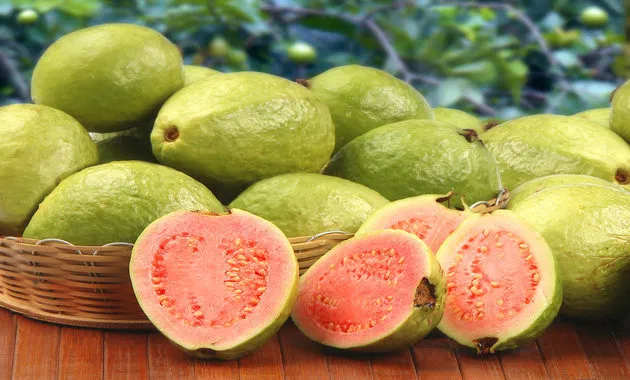
With a GI of 12-24, guava is phenomenal for blood sugar control. One medium guava gives you nearly 5 grams of fiber, which slows glucose absorption. The best part? It’s available year-round in India and costs less than most imported fruits. Always eat it with the skin on for maximum fiber benefit.
Papaya
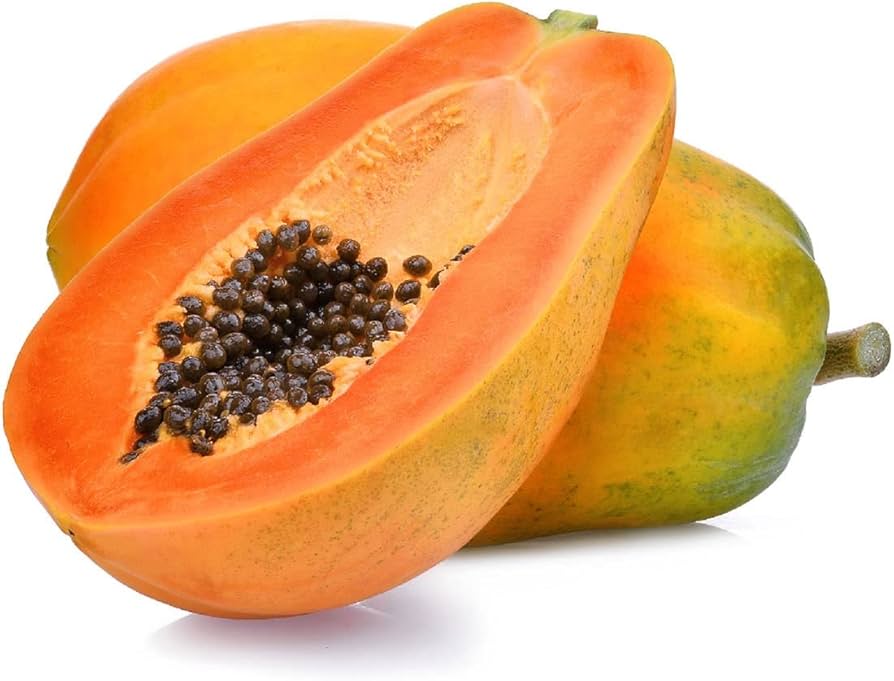
At a GI of 60, papaya sits on the border, but its high fiber content and small serving size keep the glycemic load low. Half a cup of ripe papaya is perfectly safe for most diabetics. It also aids digestion and provides vitamin C for immunity.
Indian Gooseberry (Amla)

Technically a fruit, amla has a GI of around 21 and is packed with chromium, which helps regulate blood sugar. Fresh amla can be quite sour, but amla juice (without added sugar) or dried amla pieces work wonderfully.
Apples
An apple a day keeps blood sugar stable—if you eat the right type. Green apples have a lower GI (around 38) compared to red varieties. The pectin fiber in apple skin slows digestion. Always choose small to medium-sized apples and never drink apple juice, which strips away the beneficial fiber.
Low Glycemic Index Fruits List: Your Quick Reference
Here’s a comprehensive list of fruits with their GI scores:
Very Low GI (Under 30):
- Cherries: 22
- Grapefruit: 25
- Dried apricots: 32
- Pear: 38
- Plum: 39
Low GI (30-55):
- Oranges: 40
- Strawberries: 41
- Peaches: 42
- Grapes: 43-53
- Kiwi: 47-58
Medium GI (55-70):
- Banana (slightly ripe): 51
- Mango: 51-56
- Pineapple: 59
- Raisins: 64
Is Banana Good for Diabetes? The Real Answer
This question deserves its own section because of how often I hear it. The answer is: Yes, but with important conditions.
A medium banana has a GI of 51, which puts it in the low-to-medium range. However, ripeness matters tremendously. An unripe, greenish banana has more resistant starch and a lower GI (around 30). As bananas ripen and develop brown spots, the GI can climb to 62.
For diabetics, stick to small, slightly unripe bananas. Pair them with a handful of nuts or some yogurt to slow sugar absorption even further. Timing matters too—eating a banana post-workout is ideal because your muscles will use that glucose for recovery rather than spiking your blood levels.
My recommendation: Half a medium banana, 3-4 times per week, preferably in the morning, is perfectly fine for most diabetics with controlled sugar levels.
Can Diabetic Patients Eat Mango? The Seasonal Question
Every summer, my inbox floods with this question. Mango is India’s beloved fruit, and giving it up feels like a punishment. Here’s the good news: you don’t have to give up mangoes entirely.
A ripe mango has a GI of 51-56, similar to banana. The key is portion control and variety selection:
Safe mango consumption for diabetics:
- Stick to 1/2 cup of chopped mango (about 75 grams)
- Choose less ripe mangoes like Totapuri or raw mango over very sweet Alphonso
- Eat mango as part of a meal, not on an empty stomach
- Limit to 2-3 times per week during mango season
- Never drink mango juice or milkshakes
Raw mango (kairi) actually has a very low GI and can be consumed more liberally in chutneys and salads. The sourness indicates lower sugar content and higher beneficial acids.
Sugar-Free Fruits List: Debunking the Myth
Let me be clear: no fruit is completely sugar-free. All fruits contain natural sugars (fructose). What people usually mean when they search for “sugar-free fruits” is fruits with minimal impact on blood glucose.
Lowest sugar fruits (per 100g):
- Watermelon: 6g sugar (but GI 72—eat small portions)
- Strawberries: 4.9g sugar
- Cantaloupe: 7.9g sugar
- Peaches: 8g sugar
- Guava: 8.9g sugar
Even though watermelon has low sugar content, its high GI means you should limit portions to a cup or less. This is where glycemic load becomes crucial.
Worst Fruits for Diabetes: What to Avoid or Limit
Transparency matters, so let’s discuss fruits that can spike your blood sugar quickly:
Fruits to Severely Limit:
Dates: With a GI of 103, dates are essentially candy. Two dates can spike blood sugar as much as a chocolate bar.
Overripe Bananas: GI jumps to 62+ when completely yellow with brown spots.
Fruit Juices: Even “fresh” juice removes all fiber. A glass of orange juice has the sugar of 4-5 oranges without any of the protective fiber. This applies to packaged, fresh, or cold-pressed juices.
Dried Fruits: Water removal concentrates sugars. Six apricots become 24 dried apricots in terms of sugar content.
Lychee: GI of 79—eat sparingly (4-5 pieces maximum).
Canned Fruits in Syrup: The added sugar makes these disastrous for blood glucose.
Fruits to Eat Carefully:
Pineapple (GI 59): Limit to half a cup, avoid fully ripe pieces.
Grapes (GI 43-53): Very easy to overeat. Stick to 10-12 grapes.
Cherries: Despite low GI, the small size makes overconsumption easy.
Dry Fruits for Diabetes: Proceed with Extreme Caution
Dry fruits are often marketed as healthy snacks, but for diabetics, they’re a minefield. The dehydration process concentrates sugars dramatically.
Generally Safe Options (in tiny portions):
- Almonds: 4-5 pieces (not a fruit, but a nut—very diabetes-friendly)
- Walnuts: 2-3 pieces
- Pistachios: 8-10 pieces
Dry Fruits to Avoid:
- Raisins: GI of 64
- Dates: GI exceeding 100
- Dried figs: Very high natural sugar
- Dried mango/banana chips: Often have added sugar
If you do eat dry fruits, limit to one tablespoon, pair with nuts, and never eat them alone or before bed.
Indian Fruits for Diabetes: Local and Powerful
India’s biodiversity offers incredible fruits that are often overlooked:
Karela (Bitter Gourd): Technically a fruit-vegetable, karela contains compounds that mimic insulin. Karela juice on an empty stomach is a traditional remedy that science now supports.
Bael (Wood Apple): Low GI and high fiber. The pulp can be eaten fresh or as sherbet (without sugar).
Star Fruit (Kamrakh): Extremely low in calories and sugars, high in fiber.
Custard Apple (Sitaphal): Moderate GI of 54, but extremely filling due to fiber. Limit to half a fruit.
Best Fruits for Diabetes Control: The Winners
Based on scientific evidence, availability in India, and blood sugar impact, here are the absolute best:
- Guava – Low GI, high fiber, year-round availability
- Jamun – Contains diabetes-specific compounds
- Amla – Lowest GI, medicinal properties
- Green Apple – Portable, filling, readily available
- Papaya – Good for digestion, controlled portions safe
- Pear – High fiber, low GI
- Citrus Fruits (Oranges, Sweet Lime) – Vitamin C boost with low GI
How to Eat Fruits Safely as a Diabetic
Knowing which fruits to eat is half the battle. Here’s how to consume them smartly:
Portion Control is Everything
Use your fist as a portion guide—one serving equals approximately one fist-sized piece of fruit or one cup of berries/cut fruit.
Timing Matters
- Best time: Mid-morning or evening snack
- Avoid: Late night or first thing on empty stomach
- Ideal: Post-workout when muscles absorb glucose efficiently
Pair Fruits with Protein or Fat
Eating an apple with a handful of almonds or guava with some yogurt slows down sugar absorption significantly. The protein and fat act as buffers.
Never Drink Your Fruits
Juicing removes fiber—the most important component for blood sugar control. Even smoothies can be problematic if you’re blending multiple fruits.
Monitor Your Individual Response
Every diabetic responds differently. Use a glucometer to check blood sugar 2 hours after eating a new fruit. Keep a food diary noting which fruits keep your levels stable.
Variety Over Volume
Eating five types of fruits in small amounts throughout the week is better than eating large quantities of one “safe” fruit daily.
Frequently Asked Questions (FAQs)
1. Can I eat fruits every day if I have diabetes?
Yes, absolutely. In fact, you should eat fruits daily—but the right ones in the right portions. Aim for 2-3 servings of low GI fruits spread throughout the day. A serving is roughly one medium fruit or one cup of berries. Daily fruit consumption provides essential vitamins, minerals, and fiber that help with overall diabetes management. Studies show that diabetics who eat whole fruits regularly have better long-term blood sugar control than those who avoid fruits entirely.
2. What is the best time to eat fruits for diabetes patients?
The optimal time is mid-morning (10-11 AM) or as an evening snack (4-5 PM). Avoid eating fruits immediately after meals, as this adds to the glucose load from your main meal. Never eat fruits late at night or first thing in the morning on an empty stomach. Post-workout is actually the best time because your muscles will absorb glucose without spiking blood sugar. If you do morning exercise, a small fruit 30 minutes before your workout can provide energy without causing harm.
3. How much fruit can a diabetic eat per day?
Most diabetologists recommend 2-3 servings of low GI fruits per day for diabetics. One serving equals approximately 15 grams of carbohydrates: one small apple, half a large banana, 17 small grapes, one cup of berries, or one medium orange. Never consume all servings at once—spread them throughout the day. Your individual tolerance may vary based on your diabetes control, medications, and activity level, so monitor your blood sugar and adjust accordingly.
4. Are frozen or canned fruits okay for diabetics?
Frozen fruits without added sugar are perfectly fine and sometimes even better than “fresh” fruits that have been sitting for weeks. Freezing preserves nutrients and doesn’t significantly alter the glycemic index. However, avoid canned fruits entirely—even those labeled “in juice” have added sugars and lack fiber. If you must choose canned, select varieties packed in water, rinse them thoroughly, and consider them an occasional option only. Fresh or frozen should be your primary choices.
5. Can diabetes patients eat fruit at night?
It’s generally not recommended to eat fruits close to bedtime. Your metabolism slows down at night, and the natural sugars in fruits can cause blood glucose to remain elevated through the night, affecting your fasting sugar levels the next morning. If you must eat something sweet before bed, choose a small portion of berries (which have lower sugar) paired with some nuts or Greek yogurt to slow absorption. Ideally, finish your last fruit serving at least 2-3 hours before sleeping.
6. Is fresh fruit juice better than packaged juice for diabetics?
Neither is recommended for diabetics. Fresh juice, even when made at home without added sugar, removes all the beneficial fiber from fruits while concentrating the sugars. Three oranges make one glass of juice—consuming that much sugar without fiber will spike your blood glucose rapidly. Packaged juices are even worse because they often contain added sugars, preservatives, and have been pasteurized, which can further increase the glycemic index. Always eat whole fruits instead of drinking them.
7. Can I eat mangoes and bananas if I have well-controlled diabetes?
Yes, if your HbA1c is below 7% and your daily sugars are well-managed, you can enjoy mangoes and bananas in moderation. For bananas, choose small, slightly unripe ones and limit to half a banana 3-4 times per week. For mangoes, stick to 1/2 cup of chopped mango 2-3 times weekly during the season. Always pair these moderate-GI fruits with protein or healthy fats, monitor your blood sugar response, and avoid them if you’re experiencing a period of poor control. Never eat them alone on an empty stomach.
8. What fruits should diabetics completely avoid?
There are very few fruits diabetics must completely avoid—it’s more about severe limitation than total avoidance. Dates should be avoided almost entirely due to their extremely high GI (103). Dried fruits, fruit juices, and canned fruits in syrup should also be considered off-limits. Overripe bananas, large portions of watermelon (despite low sugar content), and excessive grapes can cause problems. However, even these can occasionally be consumed in tiny amounts if your diabetes is well-controlled and you’re monitoring actively. The real rule is: no fruit is completely forbidden, but some require extreme caution.
Final Thoughts: Fruits Are Part of the Solution, Not the Problem
After a decade of writing about diabetes and nutrition, I’ve seen countless people unnecessarily eliminate all fruits from their diet out of fear. This often backfires—without the fiber, vitamins, and antioxidants from fruits, overall health deteriorates, making diabetes harder to manage.
The science is clear: whole fruits, especially those with low glycemic indices, improve diabetes outcomes. A study published in the British Medical Journal found that people who ate whole fruits had a significantly lower risk of type 2 diabetes, while those who drank fruit juice had an increased risk.
Your strategy should be simple: focus on Indian fruits like guava, jamun, and amla; practice strict portion control; pair fruits with protein or healthy fats; avoid all juices and dried fruits; and monitor your individual response.
Remember, diabetes management is not about deprivation—it’s about smart choices. With the right knowledge and perhaps support from healthcare platforms like Medstown for your medical supplies and monitoring devices, you can enjoy the natural sweetness of fruits while keeping your blood sugar in check.
Start today by adding one serving of guava or a small apple with some almonds to your mid-morning routine. Track your blood sugar response. Most likely, you’ll find that your body handles it well, giving you the confidence to incorporate more fruits wisely.
Your health journey is unique. What works for your neighbor might not work for you. Use this guide as your starting point, consult with your diabetologist, and most importantly, listen to your body. Here’s to a life where diabetes is managed, not feared, and where fruits remain a delicious, nutritious part of your daily meals.
Here’s the truth: fruits are not your enemy. The right fruits, eaten the right way, can actually help manage your blood sugar levels while giving your body essential vitamins, fiber, and antioxidants.
Understanding Fruits and Blood Sugar: What Every Sugar Patient Should Know
Before we dive into specific fruits, let’s understand what happens when a sugar patient eats fruit. Not all fruits affect your glucose levels the same way. The glycemic index (GI) measures how quickly a food raises blood sugar. Low GI fruits (55 or below) release sugar slowly into your bloodstream, preventing those dangerous spikes.
The glycemic load (GL) is equally important—it considers both the GI and the portion size. A fruit might have a high GI but a low GL if you eat it in moderation.
Best Fruits for Sugar Patients in India
Let’s talk about fruits that are easily available in Indian markets and proven to be diabetes-friendly:
Jamun (Indian Blackberry)
This purple-black fruit is a powerhouse for diabetes management. Jamun has a GI of just 25 and contains jamboline, a compound that literally slows down the conversion of starch to sugar. During jamun season (June to August), make this your go-to fruit. Even the seeds are beneficial—many diabetics dry and powder them for daily consumption.
Guava (Amrood)
With a GI of 12-24, guava is phenomenal for blood sugar control. One medium guava gives you nearly 5 grams of fiber, which slows glucose absorption. The best part? It’s available year-round in India and costs less than most imported fruits. Always eat it with the skin on for maximum fiber benefit.
Papaya
At a GI of 60, papaya sits on the border, but its high fiber content and small serving size keep the glycemic load low. Half a cup of ripe papaya is perfectly safe for most diabetics. It also aids digestion and provides vitamin C for immunity.
Indian Gooseberry (Amla)
Technically a fruit, amla has a GI of around 21 and is packed with chromium, which helps regulate blood sugar. Fresh amla can be quite sour, but amla juice (without added sugar) or dried amla pieces work wonderfully.
Apples
An apple a day keeps blood sugar stable—if you eat the right type. Green apples have a lower GI (around 38) compared to red varieties. The pectin fiber in apple skin slows digestion. Always choose small to medium-sized apples and never drink apple juice, which strips away the beneficial fiber.
Understanding Your Health Partner: About Medstown
Managing diabetes isn’t just about knowing which fruits to eat—it’s about having reliable access to quality healthcare products and accurate information. Medstown has emerged as a trusted healthcare platform in India, specifically designed to make diabetes management simpler and more accessible.
Medstown connects sugar patients with authenticated medical supplies, from glucometers and test strips to sugar-free nutrition products. What sets them apart is their commitment to education alongside commerce. Their platform features verified product information, helping you make informed choices about everything from diabetes-friendly snacks to monitoring devices.
For someone managing diabetes, having a one-stop solution like Medstown means you’re not scrambling between multiple pharmacies or wondering if that “diabetic-friendly” product is genuinely suitable. They work with certified nutritionists and diabetologists to ensure their product recommendations align with medical guidelines, not just marketing claims.
Low Glycemic Index Fruits List: Your Quick Reference
Here’s a comprehensive list of fruits with their GI scores:
Very Low GI (Under 30):
- Cherries: 22
- Grapefruit: 25
- Dried apricots: 32
- Pear: 38
- Plum: 39
Low GI (30-55):
- Oranges: 40
- Strawberries: 41
- Peaches: 42
- Grapes: 43-53
- Kiwi: 47-58
Medium GI (55-70):
- Banana (slightly ripe): 51
- Mango: 51-56
- Pineapple: 59
- Raisins: 64
Is Banana Good for Diabetes? The Real Answer
This question deserves its own section because of how often I hear it. The answer is: Yes, but with important conditions.
A medium banana has a GI of 51, which puts it in the low-to-medium range. However, ripeness matters tremendously. An unripe, greenish banana has more resistant starch and a lower GI (around 30). As bananas ripen and develop brown spots, the GI can climb to 62.
For diabetics, stick to small, slightly unripe bananas. Pair them with a handful of nuts or some yogurt to slow sugar absorption even further. Timing matters too—eating a banana post-workout is ideal because your muscles will use that glucose for recovery rather than spiking your blood levels.
My recommendation: Half a medium banana, 3-4 times per week, preferably in the morning, is perfectly fine for most diabetics with controlled sugar levels.
Can Diabetic Patients Eat Mango? The Seasonal Question
Every summer, my inbox floods with this question. Mango is India’s beloved fruit, and giving it up feels like a punishment. Here’s the good news: you don’t have to give up mangoes entirely.
A ripe mango has a GI of 51-56, similar to banana. The key is portion control and variety selection:
Safe mango consumption for diabetics:
- Stick to 1/2 cup of chopped mango (about 75 grams)
- Choose less ripe mangoes like Totapuri or raw mango over very sweet Alphonso
- Eat mango as part of a meal, not on an empty stomach
- Limit to 2-3 times per week during mango season
- Never drink mango juice or milkshakes
Raw mango (kairi) actually has a very low GI and can be consumed more liberally in chutneys and salads. The sourness indicates lower sugar content and higher beneficial acids.
Sugar-Free Fruits List: Debunking the Myth
Let me be clear: no fruit is completely sugar-free. All fruits contain natural sugars (fructose). What people usually mean when they search for “sugar-free fruits” is fruits with minimal impact on blood glucose.
Lowest sugar fruits (per 100g):
- Watermelon: 6g sugar (but GI 72—eat small portions)
- Strawberries: 4.9g sugar
- Cantaloupe: 7.9g sugar
- Peaches: 8g sugar
- Guava: 8.9g sugar
Even though watermelon has low sugar content, its high GI means you should limit portions to a cup or less. This is where glycemic load becomes crucial.
Worst Fruits for Diabetes: What to Avoid or Limit
Transparency matters, so let’s discuss fruits that can spike your blood sugar quickly:
Fruits to Severely Limit:
Dates: With a GI of 103, dates are essentially candy. Two dates can spike blood sugar as much as a chocolate bar.
Overripe Bananas: GI jumps to 62+ when completely yellow with brown spots.
Fruit Juices: Even “fresh” juice removes all fiber. A glass of orange juice has the sugar of 4-5 oranges without any of the protective fiber. This applies to packaged, fresh, or cold-pressed juices.
Dried Fruits: Water removal concentrates sugars. Six apricots become 24 dried apricots in terms of sugar content.
Lychee: GI of 79—eat sparingly (4-5 pieces maximum).
Canned Fruits in Syrup: The added sugar makes these disastrous for blood glucose.
Fruits to Eat Carefully:
Pineapple (GI 59): Limit to half a cup, avoid fully ripe pieces.
Grapes (GI 43-53): Very easy to overeat. Stick to 10-12 grapes.
Cherries: Despite low GI, the small size makes overconsumption easy.
Dry Fruits for Diabetes: Proceed with Extreme Caution
Dry fruits are often marketed as healthy snacks, but for diabetics, they’re a minefield. The dehydration process concentrates sugars dramatically.
Generally Safe Options (in tiny portions):
- Almonds: 4-5 pieces (not a fruit, but a nut—very diabetes-friendly)
- Walnuts: 2-3 pieces
- Pistachios: 8-10 pieces
Dry Fruits to Avoid:
- Raisins: GI of 64
- Dates: GI exceeding 100
- Dried figs: Very high natural sugar
- Dried mango/banana chips: Often have added sugar
If you do eat dry fruits, limit to one tablespoon, pair with nuts, and never eat them alone or before bed.
Indian Fruits for Diabetes: Local and Powerful
India’s biodiversity offers incredible fruits that are often overlooked:
Karela (Bitter Gourd): Technically a fruit-vegetable, karela contains compounds that mimic insulin. Karela juice on an empty stomach is a traditional remedy that science now supports.
Bael (Wood Apple): Low GI and high fiber. The pulp can be eaten fresh or as sherbet (without sugar).
Star Fruit (Kamrakh): Extremely low in calories and sugars, high in fiber.
Custard Apple (Sitaphal): Moderate GI of 54, but extremely filling due to fiber. Limit to half a fruit.
Best Fruits for Diabetes Control: The Winners
Based on scientific evidence, availability in India, and blood sugar impact, here are the absolute best:
- Guava – Low GI, high fiber, year-round availability
- Jamun – Contains diabetes-specific compounds
- Amla – Lowest GI, medicinal properties
- Green Apple – Portable, filling, readily available
- Papaya – Good for digestion, controlled portions safe
- Pear – High fiber, low GI
- Citrus Fruits (Oranges, Sweet Lime) – Vitamin C boost with low GI
How to Eat Fruits Safely as a Diabetic
Knowing which fruits to eat is half the battle. Here’s how to consume them smartly:
Portion Control is Everything
Use your fist as a portion guide—one serving equals approximately one fist-sized piece of fruit or one cup of berries/cut fruit.
Timing Matters
- Best time: Mid-morning or evening snack
- Avoid: Late night or first thing on empty stomach
- Ideal: Post-workout when muscles absorb glucose efficiently
Pair Fruits with Protein or Fat
Eating an apple with a handful of almonds or guava with some yogurt slows down sugar absorption significantly. The protein and fat act as buffers.
Never Drink Your Fruits
Juicing removes fiber—the most important component for blood sugar control. Even smoothies can be problematic if you’re blending multiple fruits.
Monitor Your Individual Response
Every diabetic responds differently. Use a glucometer to check blood sugar 2 hours after eating a new fruit. Keep a food diary noting which fruits keep your levels stable.
Variety Over Volume
Eating five types of fruits in small amounts throughout the week is better than eating large quantities of one “safe” fruit daily.
Frequently Asked Questions (FAQs)
1. Can I eat fruits every day if I have diabetes?
Yes, absolutely. In fact, you should eat fruits daily—but the right ones in the right portions. Aim for 2-3 servings of low GI fruits spread throughout the day. A serving is roughly one medium fruit or one cup of berries. Daily fruit consumption provides essential vitamins, minerals, and fiber that help with overall diabetes management. Studies show that diabetics who eat whole fruits regularly have better long-term blood sugar control than those who avoid fruits entirely.
2. What is the best time to eat fruits for diabetes patients?
The optimal time is mid-morning (10-11 AM) or as an evening snack (4-5 PM). Avoid eating fruits immediately after meals, as this adds to the glucose load from your main meal. Never eat fruits late at night or first thing in the morning on an empty stomach. Post-workout is actually the best time because your muscles will absorb glucose without spiking blood sugar. If you do morning exercise, a small fruit 30 minutes before your workout can provide energy without causing harm.
3. How much fruit can a diabetic eat per day?
Most diabetologists recommend 2-3 servings of low GI fruits per day for diabetics. One serving equals approximately 15 grams of carbohydrates: one small apple, half a large banana, 17 small grapes, one cup of berries, or one medium orange. Never consume all servings at once—spread them throughout the day. Your individual tolerance may vary based on your diabetes control, medications, and activity level, so monitor your blood sugar and adjust accordingly.
4. Are frozen or canned fruits okay for diabetics?
Frozen fruits without added sugar are perfectly fine and sometimes even better than “fresh” fruits that have been sitting for weeks. Freezing preserves nutrients and doesn’t significantly alter the glycemic index. However, avoid canned fruits entirely—even those labeled “in juice” have added sugars and lack fiber. If you must choose canned, select varieties packed in water, rinse them thoroughly, and consider them an occasional option only. Fresh or frozen should be your primary choices.
5. Can diabetes patients eat fruit at night?
It’s generally not recommended to eat fruits close to bedtime. Your metabolism slows down at night, and the natural sugars in fruits can cause blood glucose to remain elevated through the night, affecting your fasting sugar levels the next morning. If you must eat something sweet before bed, choose a small portion of berries (which have lower sugar) paired with some nuts or Greek yogurt to slow absorption. Ideally, finish your last fruit serving at least 2-3 hours before sleeping.
6. Is fresh fruit juice better than packaged juice for diabetics?
Neither is recommended for diabetics. Fresh juice, even when made at home without added sugar, removes all the beneficial fiber from fruits while concentrating the sugars. Three oranges make one glass of juice—consuming that much sugar without fiber will spike your blood glucose rapidly. Packaged juices are even worse because they often contain added sugars, preservatives, and have been pasteurized, which can further increase the glycemic index. Always eat whole fruits instead of drinking them.
7. Can I eat mangoes and bananas if I have well-controlled diabetes?
Yes, if your HbA1c is below 7% and your daily sugars are well-managed, you can enjoy mangoes and bananas in moderation. For bananas, choose small, slightly unripe ones and limit to half a banana 3-4 times per week. For mangoes, stick to 1/2 cup of chopped mango 2-3 times weekly during the season. Always pair these moderate-GI fruits with protein or healthy fats, monitor your blood sugar response, and avoid them if you’re experiencing a period of poor control. Never eat them alone on an empty stomach.
8. What fruits should diabetics completely avoid?
There are very few fruits diabetics must completely avoid—it’s more about severe limitation than total avoidance. Dates should be avoided almost entirely due to their extremely high GI (103). Dried fruits, fruit juices, and canned fruits in syrup should also be considered off-limits. Overripe bananas, large portions of watermelon (despite low sugar content), and excessive grapes can cause problems. However, even these can occasionally be consumed in tiny amounts if your diabetes is well-controlled and you’re monitoring actively. The real rule is: no fruit is completely forbidden, but some require extreme caution.
Final Thoughts: Fruits Are Part of the Solution, Not the Problem
After a decade of writing about diabetes and nutrition, I’ve seen countless people unnecessarily eliminate all fruits from their diet out of fear. This often backfires—without the fiber, vitamins, and antioxidants from fruits, overall health deteriorates, making diabetes harder to manage.
The science is clear: whole fruits, especially those with low glycemic indices, improve diabetes outcomes. A study published in the British Medical Journal found that people who ate whole fruits had a significantly lower risk of type 2 diabetes, while those who drank fruit juice had an increased risk.
Your strategy should be simple: focus on Indian fruits like guava, jamun, and amla; practice strict portion control; pair fruits with protein or healthy fats; avoid all juices and dried fruits; and monitor your individual response.
Remember, diabetes management is not about deprivation—it’s about smart choices. With the right knowledge and perhaps support from healthcare platforms like Medstown for your medical supplies and monitoring devices, you can enjoy the natural sweetness of fruits while keeping your blood sugar in check.
Start today by adding one serving of guava or a small apple with some almonds to your mid-morning routine. Track your blood sugar response. Most likely, you’ll find that your body handles it well, giving you the confidence to incorporate more fruits wisely.
Your health journey is unique. What works for your neighbor might not work for you. Use this guide as your starting point, consult with your diabetologist, and most importantly, listen to your body. Here’s to a life where diabetes is managed, not feared, and where fruits remain a delicious, nutritious part of your daily meals.



Leave a Reply