

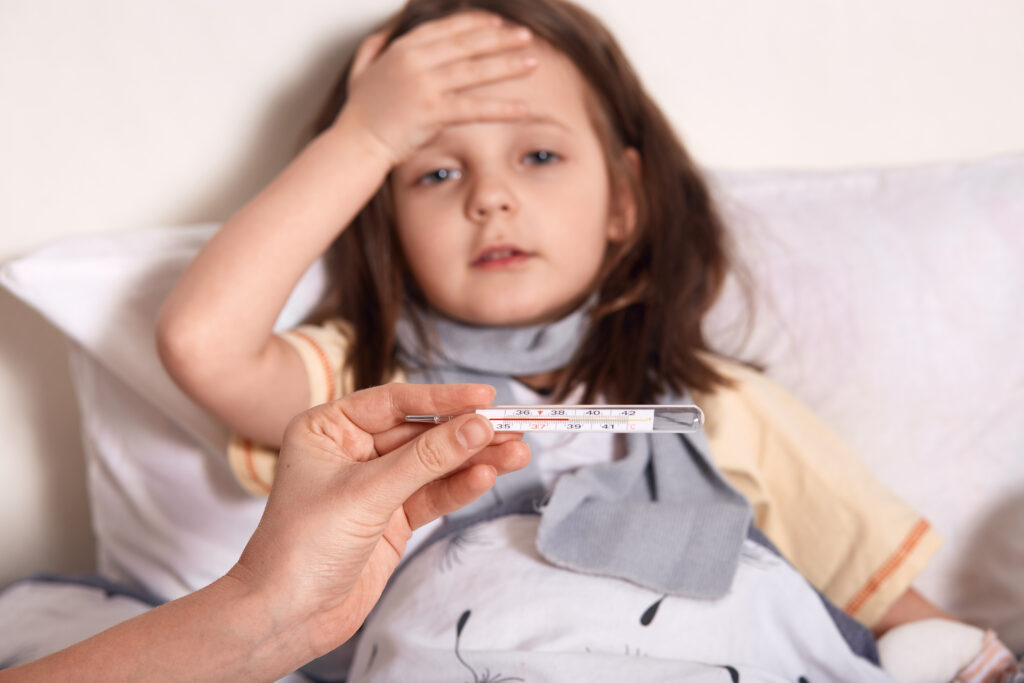
A Story Every Urban Parent Knows Too Well. At 10:35 PM, Priya’s six-year-old daughter, Aanya, woke up crying, with a burning fever. Her forehead felt like fire, and she was shivering uncontrollably.

Priya rushed to their medicine cabinet in their Hyderabad apartment, frantically searching through expired cough syrups and half-empty bottles. No paracetamol. Her husband was traveling for work, her elderly mother-in-law was sleeping in the next room with arthritis pain, and the nearest 24-hour pharmacy was 4 kilometers away through deserted streets. As Aanya’s temperature rose to 103°F, Priya realized a stark reality: in the chaos of juggling work, kids, and elderly parents, she had never properly stocked their medicine cabinet. That night was a turning point.
Am I right? If so, you’re not alone. Approximately 57.7% of respondents in India practice self-medication, and 39.8% belong to people aged 28-37 years, the very population that is presumably taking care of their respective nuclear families in Hyderabad, Chennai, Mumbai, and Bengaluru. Medical emergencies don’t operate on normal working hours, and with India’s medical inflation pegged at 14-15% every year, being prepared is both prudent and necessary for your family’s well-being.
Why Nuclear Families in Indian Cities Need Emergency OTC Medicines Now More Than Ever
Today, urban India faces unprecedented challenges in terms of healthcare. The Indian Over-the-Counter (OTC) healthcare market was projected to reach significant figures in 2025, with estimates varying slightly but generally falling in the $29 billion range (USD) for overall OTC products according to Statista and closer to $5.7 billion to $10.2 billion for OTC drugs by different reports like TechSci Research and LinkedIn analysis, driven by self-care, digital access via e-pharmacies, and rising health awareness, with forecasts anticipating continued strong growth towards 2030, because of self-medication trends in urban India. For nuclear families dealing with stressful careers and taking care of kids and parents, home remedies in appropriate pharmaceuticals could literally mean the difference between night and day.
Accidental poisoning, especially among children, and drug overdoses can be common family medical emergencies that arise in Indian households. Heart attacks, strokes, asthma attacks, and heat illnesses have also become emerging medical emergencies that call for immediate first aid care before the arrival of further medical help. During such critical times, having the necessary over-the-counter medicines can be lifesaving. But the truth for most of us in urban India is harsh: out-of-pocket expenditure has been 37 percent of total health expenditure in 2024-25. When an emergency occurs at midnight, and we are looking for an open pharmacy in desperation, the expense in terms of money as well as heartache multiplies exponentially.

The 10 Essential OTC Medicines Every Indian Home Must Have
1. Paracetamol: The Universal Medicine for Fever and Pain
Why You Need It:
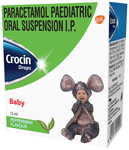
Paracetamol is the most important medicine in any household that has children or elderly people. It effectively reduces fever and provides relief from headaches, body aches, and general pain.
For Your Family:
- Children: Liquid formulations or dissolvable tablets for children with fever due to common infections
- Adults: For headache, body aches, or post-immunization pyrexia, the tablet formulation should be used
- Elderly: Safe for arthritis pain or generalized discomfort
Storage Tip:
Stock both adult tablets (500mg) and pediatric syrup. Check expiration dates every 6 months.
Safety Note:
Never exceed the recommended dosage. An overdose can cause serious damage to the liver. In the case of a child, always dose based on weight, not age.
2. Oral Rehydration Salts (ORS) – Your Personal Defence Against Dehydration
Why You Need It:
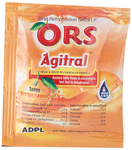
In India’s very hot climate, with waterborne diseases still rampant, dehydration due to diarrhea, vomiting, or heat could lead to death among children and older family members.
Critical For:
- Traveler’s diarrhea, very common in Indian cities despite better infrastructure
- Food poisoning cases
- Dehydration due to summer heat
- Gastroenteritis in children
- Post-workout and illness recovery
Dosage:
Mix one packet with 1 liter of clean, cooled boiled water. Have the person sip slowly throughout the day.
Pro Tip:
Always stock up and keep 10 to 15 packets handy. ORS is cheap but priceless during emergencies.
3. Antiseptic Solution and Cream: Infection Prevention Essentials
Why You Need It:
India’s trafficked roads and rising accident rates make trauma from road accidents one of the top medical emergencies. Minor cuts, scrapes, burns, and insect bites need immediate cleaning to prevent infection.
Must-Have Combination:
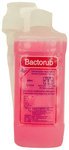
- Antiseptic liquid (Dettol or Savlon): for cleaning up the wound and preventing bacterial growth
- Antiseptic Cream (Betadine or Soframycin): To be used on clean wounds for healing
Perfect For:
- Burns in the kitchen – the main feature of every house
- Injuries from children’s playgrounds
- Cuts were accidentally to the elderly parent
- Insect bites and stings
Application Protocol:
- Clean the wound with an antiseptic solution
- Pat dry gently
- Apply antiseptic cream
- Cover with a clean bandage if necessary
4. Antihistamine (Anti-Allergy Medicine) – Your Allergy Action Plan
Why You Need It:
The pollution levels in urban Bengaluru, Mumbai, Hyderabad, and Chennai will trigger allergic reactions, skin rash, and respiratory issues. Food allergies are also reportedly common.
Essential For:
- Seasonal allergies and pollen reactions
- Symptoms of food allergy
- Insect bite reactions
- Skin rashes from new products or fabrics
- Mild allergic reactions before seeking emergency care
Recommended Forms:
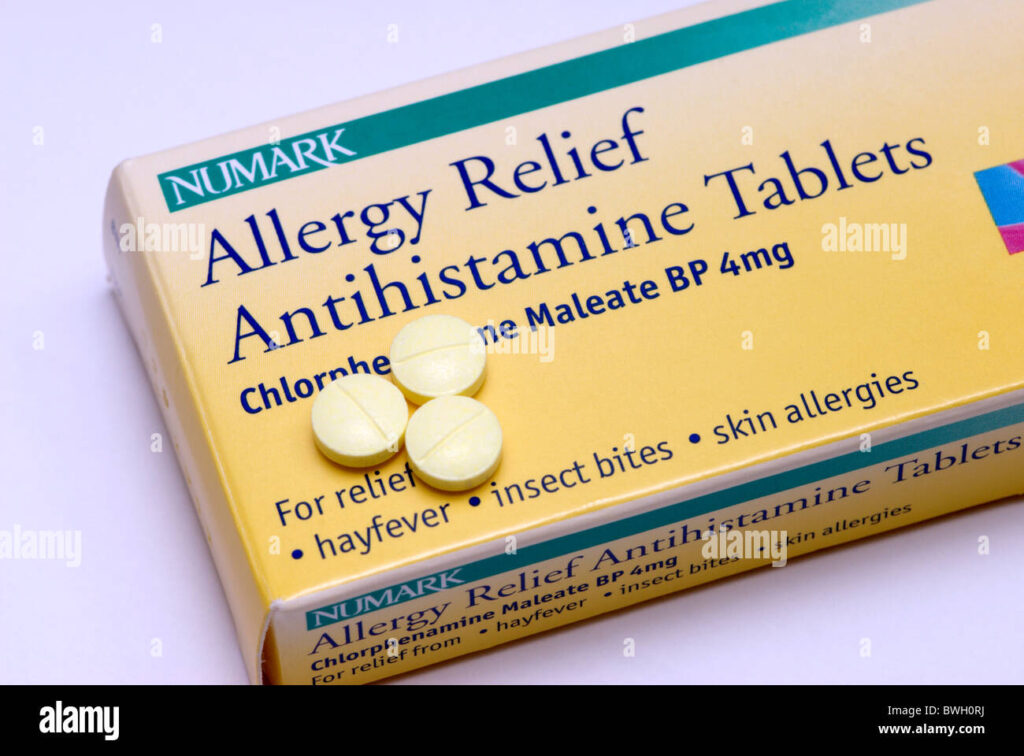
- Oral tablets (such as Cetirizine or Loratadine)
- Topical anti-itch cream to soothe instantly
Family Application:
- Non-drowsy formulas for daytime use
- Sedating antihistamines, such as Benadryl, for nocturnal or severe itching
5. Antacid – Relieving Digestive Distress
Why You Need It:
Indian urban lifestyle stress, irregular eating patterns, spicy foods wreak havoc on digestion. Acidity, heartburn, and indigestion are near-universal complaints.
Triggers Commonly Found in Urban India:
- Having food late at night owing to very long hours at work
- Street foods and restaurant meals
- Work and family responsibilities brought on stress
- Side effects of medication on elderly parents
Best Options:
- Quick-relief antacids such as Eno or Gelusil
- Longer-acting tablets (such as Ranitidine variants)
Indications:
To be used at the first sign of heartburn, acidity, or bloating. Can be taken before or after meals as needed.
Warning:
If acidity is chronic (3+ times weekly), consult a doctor—it could indicate something more serious.
6. Anti-diarrheal Medication – Put a Stop to Rushed Trips to the Bathroom
Why You Need It:
Diarrhea can hit without warning from bad food or water, and in today’s nuclear family environment, you cannot afford to be laid low when children or aged parents depend on your care.
Must-Have:
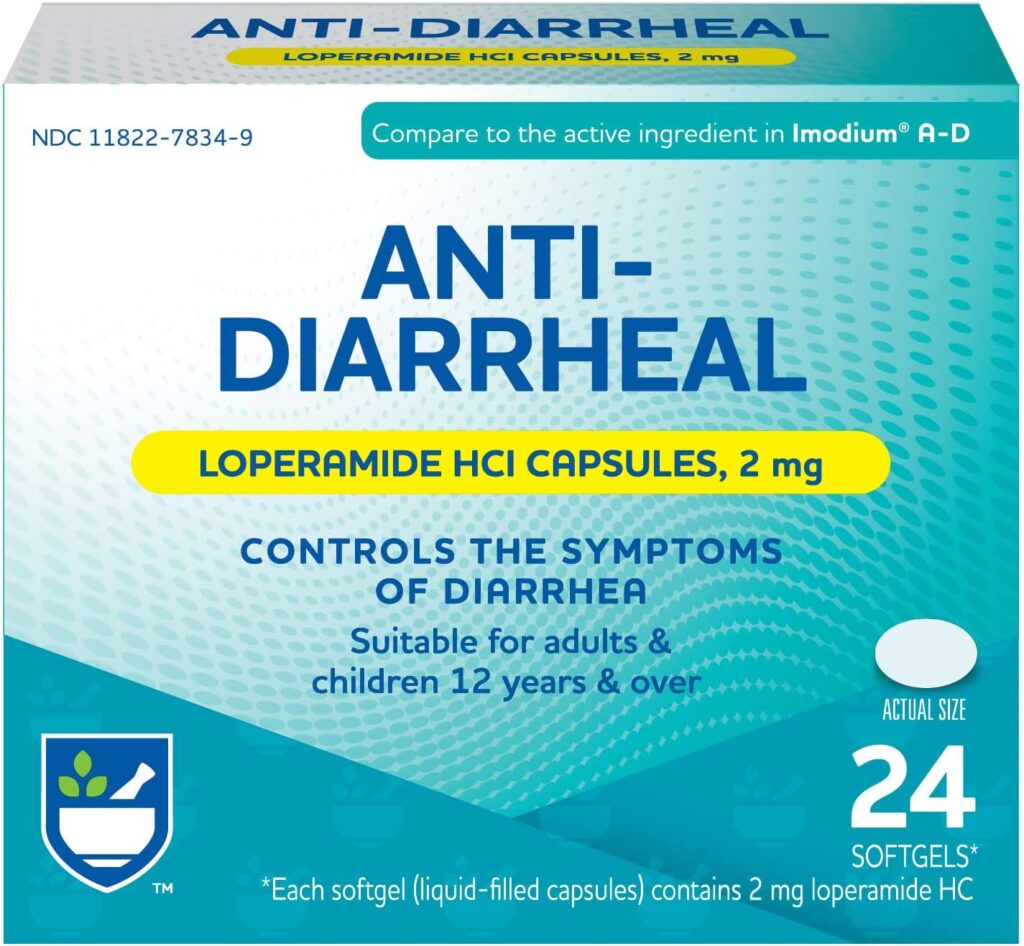
Loperamide (Imodium-type medications) slows the movement of the intestines.
Critical Emergencies:
- Acute diarrheal illness due to food poisoning
- Travellers’ diarrhoea during family travel
- In situations when you must function, such as a crucial work meeting or travel
Important Protocol:
- Initiate ORS immediately with an anti-diarrheal
- Watch for signs of fever or blood in the stools
- Seek medical attention if symptoms have not improved after 48 hours
- For children under 2 years, consult a doctor before use
7. Pain Relief Gel/Spray – Topical Muscle and Joint Relief

Why You Need It:
Whether it’s your elderly parent’s chronic arthritis, your own back pain from hours at a desk, or your child’s sports injury, topical pain relief provides fast and effective relief in just the right place.
Perfect For:
- Lower back pain, which is very common among IT professionals
- Neck and shoulder pain due to poor posture
- Elderly parent with joint pain and arthritis
- Sports injuries (pulls/strains) in children/teens
- Muscle soreness after exercise
Popular Choices:
- Volini or Moov spray for quick application
- Creams or gels for deeper penetration
- Pain-relieving patches for sustained relief
Application Tip:
Apply to clean, dry skin. Avoid near the eyes, mucous membranes, or broken skin.
8. Adhesive Bandages and Gauze – Basic Wound Care Supplies
Why You Need It:
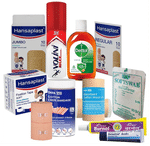
Every household has its share of small cuts, scrapes, and blisters. Wounds properly covered cannot become infected and heal faster.
Key Collection:
- Assorted sizes of Band-Aids or adhesive bandages
- Sterile gauze pads (assorted sizes)
- Medical tape
- Cotton balls or rolls
- Elastic bandage for sprains
Family-Specific Needs:
- Waterproof bandages for energetic kids
- Larger dressings for kitchen burns
- Compression bandages for elderly swelling
Storage:
Store in a specific container, periodically checking sterility and expiration dates.
9. Cough and Cold Medicine – Respiratory Relief
Why You Need It:
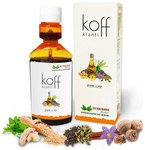
Self-medication is common practice across India, with most people opting for self-medication for diseases like the cold, cough, and fever. Urban pollution makes respiratory issues more frequent and severe.
Two-Tiered Approach:
- Cough Suppressant (Dextromethorphan): For dry, irritating coughs
- Expectorant (Guaifenesin): For productive coughs to clear mucus
Additional Relief:
- Lozenges for a sore throat
- Nasal decongestants
- Saline nasal spray (especially effective in children)
Age-Specific Considerations:
- Pediatric formulations for children under 12
- Sugar-free options for diabetic elderly parents
- Non-drowsy formulas for daytime use
10. Digital Thermometer – Indispensable Diagnostic Tool

Why You Need It:
You cannot evaluate the severity of a fever by touch. Clinicians always ask, “What’s the temperature?”—and the only correct answer comes from a thermometer.
Critical For:
- Monitoring fever progression in children
- Determining urgency for elderly parents
- Deciding when fever-reducing medicine is required
Types to Consider:
- Digital oral/underarm thermometer (most versatile)
- Infrared forehead thermometer (best for children)
Extra Tips:
- Store extra batteries
- Keep thermometer clean and calibrated
Temperature Guide:
- Normal: 98.6°F (37°C)
- Fever: >100.4°F (38°C)
- High Fever: >103°F (39.4°C) – seek medical attention
Medstown Advantage: 30-Minute Medicine Delivery When Every Minute Counts
In those 10:47 PM moments—when your child has a burning fever, when your elderly parent’s blood pressure medication runs out unexpectedly, or when an allergic reaction demands immediate action—every minute feels like an hour. This is where Medstown becomes your healthcare lifeline.
Medstown understands the unique challenges faced by nuclear families in Hyderabad, Bengaluru, Chennai, and Mumbai. Avail of assured medicine delivery within 30 minutes, and you are never more than half an hour away from the OTC medicines and prescriptions you need.
- No midnight pharmacy runs
- No choosing between your sick child and an elderly parent who cannot be left alone
- No panic when medicine stocks run out unexpectedly
Whether you need to restock emergency medicines, get a prescription refill, or manage an unplanned health situation, Medstown’s speedy service delivers medicines right to your doorstep—saving time for what truly matters: looking after your family.
Smart Storage and Maintenance Tips for the Medicine Cabinet
Having the right medicines is just half the battle. Proper storage ensures they work when you need them most.
Organization System
- Separate by Purpose:
Create sections for fever/pain, digestive issues, first aid, cold/cough - Label Everything:
Use a permanent marker to note the purchase date on medicines - Front-Face Expiry Dates:
Write expiry dates clearly on the front of bottles or strips - Keep Instructions:
Store instruction leaflets with medicines or take photos for digital reference
Storage Location
- Cool, dry place:
Most medicines prefer room temperature away from humidity - Away from direct sunlight:
Prevents degradation of medicines - Out of children’s reach:
Use high cabinets or locked drawers - Bathroom is NOT ideal:
Despite the name “medicine cabinet,” humidity damages medicines
Regular Maintenance
- Monthly Check:
On the first of every month, check what is running low - Quarterly Expiry Review:
Every 3 months, discard expired medicines - Twice-Yearly Deep Clean:
Empty the cabinet, clean thoroughly, reorganize - Inventory List:
Keep a list on the cabinet door so everyone knows what is available
Disposal Protocol
Never flush medicines or throw them in regular trash where children or pets may access them.
- Take unused medicines to the nearest pharmacy with a disposal program
- Or mix medicines with coffee grounds or cat litter, seal in a bag before disposal
- Remove all personal information from medicine bottles and strips
Beyond the Medicine Cabinet: How to Create a Complete Family Health Emergency Plan
Medicines are essential, but full preparedness requires planning beyond storage.
Emergency Contact List
Keep both physical and digital copies with:
- Family doctor’s phone number
- Addresses of nearby 24-hour hospitals
- Ambulance service (108 in most Indian states)
- Poison control center
- Children’s pediatrician
- Elderly parent’s specialists
- Medstown customer service (for urgent medicine delivery)
Health Information Cards
For each family member, keep cards with:
- Known allergies
- Current medications
- Chronic conditions
- Blood type
- Emergency contact persons
First Aid Training
At least one family member should know:
- CPR basics
- Heimlich manoeuvre
- How to treat burns
- When to call emergency services
- Basic wound care
Insurance and Financial Preparation
- Keep health insurance cards easily accessible
- Maintain an emergency health fund
- Know which hospitals are covered
- Understand OPD coverage limits
Frequently Asked Questions
1. How often should I replace Over-The-Counter medicines in my house?
Check the expiry date every 3 months. Most OTC medicines last 2–3 years from the date of manufacture, but once opened, some may have shorter shelf lives. Replace any medicine that has changed color, consistency, or smell—even if it has not expired. Set a reminder on your phone to check medicines in the cabinet every quarter.
2. Can I administer medications meant for adults to children in smaller dosages?
No, this is very dangerous. Children metabolize medicines differently than adults. Always use only age-specific, pediatric formulations of any medication. Dosing is always about weight, not age. If you are confused, ask a pharmacist or a paediatrician. Never give a medication based on a guess; incorrect dosing can cause death or serious injury.
3. What is the difference between paracetamol and ibuprofen for fever?
The two medications reduce fever but work differently.
- Paracetamol (acetaminophen): Easier on the stomach and safer for most people, including those with ulcers or asthma
- Ibuprofen: An NSAID that also reduces inflammation, making it better for pain due to swelling or injuries
If there are children, paracetamol is always the first option. Never give them together at the same time unless guided by a doctor.
4. How do I determine whether or not my child’s fever requires immediate medical attention?
Seek immediate medical care if any of the following occur:
- Temperature over 104°F (40°C)
- Fever lasting more than 3 days
- Difficulty breathing
- Severe headache with neck stiffness
- Inability to stop vomiting
- Signs of dehydration
- Unusual drowsiness or irritability
- Rash that does not fade under pressure
- Any fever in children below 3 months of age
5. Are expired over-the-counter medicines dangerous or just less effective?
It depends on the medicine. Most become less potent rather than dangerous, but some can develop harmful compounds. For example:
- Aspirin degrades into acetic acid (vinegar-like compound)
- Liquid medicines can become contaminated and prone to bacterial growth
Safest approach: Never use expired medicines, especially for children or serious conditions. The risk is not worth the small cost savings.
6. Can I keep medicines in the refrigerator to make them last longer?
Only store medicines in the refrigerator if the label specifically states refrigeration is required (e.g., insulin or certain antibiotics). Most medicines should be stored at room temperature in a cool, dry place.
Refrigeration can cause condensation, leading to moisture damage. One of the worst places to store medicines is the bathroom cabinet due to humidity. Instead, use a bedroom closet or a kitchen cabinet away from the stove.
7. What should I do if someone takes too much of an OTC medicine by accident?
Immediately call your poison control center or emergency services. Do not wait for symptoms to appear.
- Keep the medicine bottle ready
- Be prepared to share what was taken, how much, and when
- Never induce vomiting unless instructed by medical personnel
Even small overdoses—especially in children—of common medicines like paracetamol can be dangerous and require urgent medical evaluation.
8. How can I get medicines delivered as quickly as possible in Hyderabad, Bengaluru, Chennai, or Mumbai during emergencies?
Medstown offers 30-minute medicine delivery across Hyderabad, Bengaluru, Chennai, and Mumbai. You simply place an order via the app or website, and medicines are delivered within 30 minutes.
This is especially critical for nuclear families managing children and elderly parents at home, where stepping out during emergencies may not be possible. Keep the app downloaded and your address saved for truly rapid access when it matters most.
Conclusion: Family Health Begins with Preparation
Remember Priya from our opening story? After that harrowing night with Aanya’s fever, she changed the way she thought about family health. She built a proper medicine cabinet, set quarterly reminders, and saved Medstown’s contact for emergencies.
Six months later, when her mother-in-law developed an allergic reaction at 11 PM, Priya calmly accessed her organized medicines, administered an antihistamine, and used Medstown for additional supplies—all while keeping everyone safe and calm.
With the Indian OTC drug market growing at 11.80% CAGR, more families now understand that readiness for self-medication is not just convenience—it’s an essential part of modern urban caregiving.
An investment of ₹2,000–3,000 in a comprehensive home medicine stock is insignificant compared to the peace of mind and protection it provides.
Medical emergencies don’t come with warnings. They strike at 2:47 AM, during festivals, on Sundays when pharmacies are closed, and in moments when every second counts.
Your family deserves preparation, protection, and peace of mind.
The real question isn’t whether you can afford to stock these 10 essential OTC medicines—it’s whether you can afford not to.
When that emergency arrives, will you be ready—or will you be searching for an open pharmacy at midnight?
Complete Source List for the Article
Here are all the sources cited in the article “Every Indian Home Needs These 10 Emergency OTC Medicines—Do You Have Them?”:
Market Statistics & Self-Medication Data:
- IMARC Group – India Over The Counter (OTC) Drugs Market Report | 2033
- URL: https://www.imarcgroup.com/india-over-the-counter-drugs-market
- Used for: India OTC market size (USD 10.2 Billion in 2024), CAGR (11.80%)
- Journal of Family Medicine and Primary Care (May 2022) – “Pattern and practice of self medication among adults”
- URL: https://journals.lww.com/jfmpc/fulltext/2022/05000/pattern_and_practice_of_self_medication_among.44.aspx
- Used for: 57.7% self-medication prevalence, 39.8% aged 28-37 years, 64.3% pharmacies as source
- Mordor Intelligence – India Over-the-counter Drugs (OTC) Market Size (2024)
- URL: https://www.mordorintelligence.com/industry-reports/india-otc-drugs-market
- Used for: Self-medication prevalence in urban areas, government initiatives
Healthcare Expenditure & Financial Data:
- Press Information Bureau (PIB) – Union Health Ministry releases National Health Accounts Estimates for India 2020-21 and 2021-22
- URL: https://www.pib.gov.in/PressReleaseIframePage.aspx?PRID=2058791
- Used for: Out-of-pocket expenditure (39.4% of total health expenditure in 2021-22)
- Down to Earth – India’s Health Expenditure Reaches 3.83% of GDP
- URL: https://www.downtoearth.org.in/health/indias-per-capita-health-expense-jumped-82-in-last-decade-national-health-accounts-estimates
- Used for: Total health expenditure statistics
Medical Inflation Data:
- Onsurity – Medical Inflation In India: Current Rate, Causes & Impacts
- URL: https://www.onsurity.com/blog/medical-inflation-in-india/
- Used for: Healthcare costs increasing at 14% annually (Acko India Health Insurance Index 2024)
- ACKO – Medical Inflation In India: Medical Inflation Causes & Its Effects
- URL: https://www.acko.com/health-insurance/medical-inflation-in-india/
- Used for: Medical inflation averaging 10-12% per year, insurance premium increases 15-20%
- Medical Buyer – Medical inflation in India to hit 11% in 2024
- URL: https://medicalbuyer.co.in/medical-inflation-in-india-to-hit-11-in-2024/
- Used for: Medical inflation forecast data from Mercer and Marsh Benefits
- Business Standard – Hospitalisation costs surge 11.35% in a year
- URL: https://www.business-standard.com/finance/personal-finance/hospitalisation-costs-surge-11-35-in-a-year-heart-ailments-rising-report-124092600567_1.html
- Used for: ACKO India Health Report 2024 statistics
- ANI News – Healthcare cost in India rising by 14 per cent annually: Report
- URL: https://www.aninews.in/news/business/healthcare-cost-in-india-rising-by-14-per-cent-annually-report20240928093155/
- Used for: 62% out-of-pocket payments, 23% borrowing for hospital charges
Medical Emergencies Data:
- Eska Sanjeevani – India’s 10 Most Common Medical Emergencies: Warning Signs
- URL: https://www.eskagsanjeevani.com/blog/recognizing-10-most-common-medical-emergencies-in-india/
- Used for: Common medical emergencies (accidental poisoning, heart attacks, strokes, trauma, heat-related illnesses)
- PMC (PubMed Central) – Prevalence, Pattern, and Reasons for Self-Medication: A Community-Based Cross-Sectional Study
- URL: https://pmc.ncbi.nlm.nih.gov/articles/PMC9936784/
- Used for: Self-medication symptoms and reasons
Additional Supporting Sources:
- Sage Open Medical Journal (March 2024) – Self-medication prevalence study
- Referenced in Mordor Intelligence report
- Used for: Urban self-medication trends
- Government of India – Pradhan Mantri Bhartiya Janaushadhi Pariyojana (PMBJP) data
- Referenced in market reports
- Used for: OTC medicine sales statistics
- AIIMS National Poisons Information Centre data
- URL: https://pubmed.ncbi.nlm.nih.gov/30015223/
- Used for: Household poisoning statistics



Leave a Reply