

This blog details how technology is transforming urban healthcare access, making it faster, smarter, and more convenient, with a particular focus
on the AI-powered platform Medstown in Hyderabad, India.
I. The Urban Health Challenge and Technological Solutions
Urban living presents significant healthcare access challenges, including difficulties navigating traffic for medication or doctor’s appointments. Technology offers a solution by simplifying healthcare delivery, making it as easy as using a smartphone app. This represents a fundamental shift in how healthcare is provided, exemplified by Medstown’s medicine online India services.
II. Historical Evolution of Urban Health and Technology
- Ancient Times: Innovations like Roman aqueducts (clean water) and Greek ramps (accessibility) addressed public health and basic access.
- Industrial Revolution: Increased urbanisation led to disease outbreaks, prompting the development of germ theory, sanitation improvements, and organised public health initiatives.
- 20th Century: Advancements included vaccines, refined hospital designs, and the Independent Living movement, which promoted accessibility through tools like wheelchairs and ramps.
- Digital Age: Early steps involved clunky clinical data systems and rudimentary telehealth, laying the groundwork for modern “health IT management”.

III. Contemporary Tech-Powered Medicine Access
The current landscape of urban medicine is shaped by several interconnected technologies:
- Telehealth & Virtual Visits: Video consultations and remote diagnostics are replacing traditional waiting rooms for follow-ups, specialist access, and chronic condition management, making “online medical” services commonplace.
- mHealth & Wearables: Smartphones and smartwatches function as health management tools, offering medication reminders and tracking vital signs for “patient health monitoring systems.” This “digital health devices” ecosystem empowers proactive health management via “online healthcare apps.”
- AI & Data:
- AI Healthcare Platforms: AI is optimizing diagnoses and “patient care number” management.
- Medstown (Hyderabad, India):
- An “AI-powered online healthcare platform.”
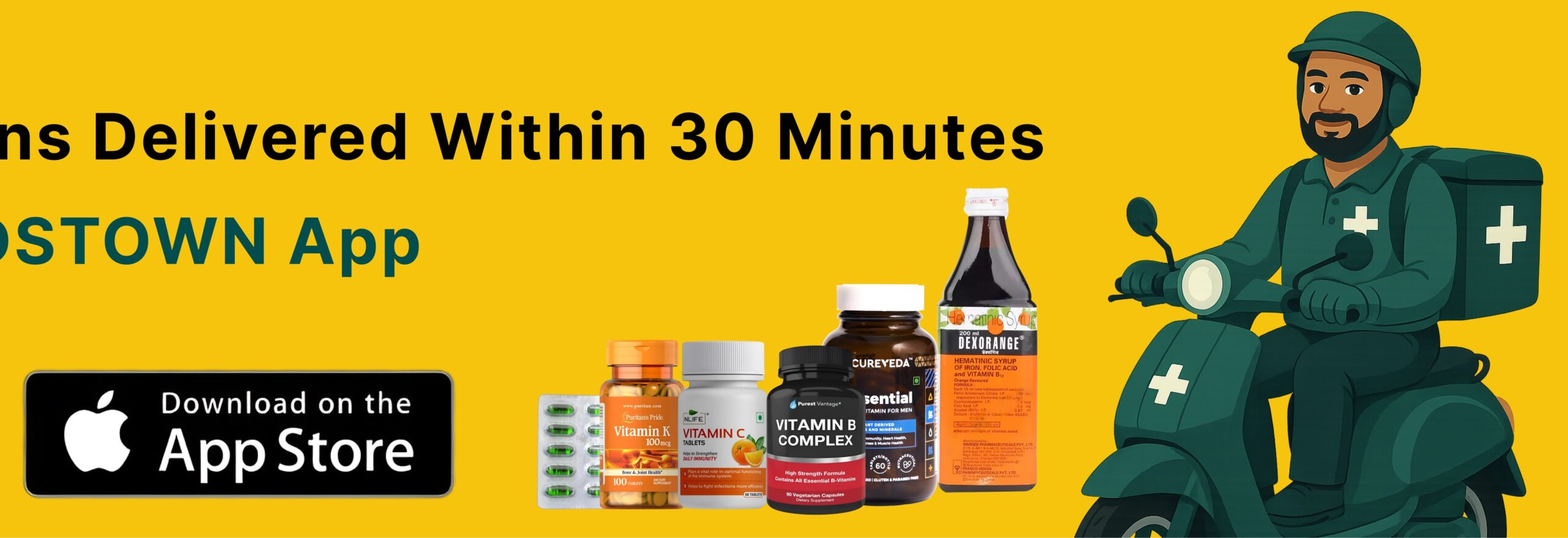
- Utilizes AI for efficient “30-minute medicine delivery” by mapping nearby pharmacies with required medicines, bypassing traditional warehousing and supporting local businesses while ensuring medication authenticity.
- Integrates “teleconsultations” for a complete “digital health experience.”
- Features a “user-friendly app,” “real-time tracking,” and specialized care for seniors, serving as an effective “medical delivery service” and “mobile medical services” solution.
- Electronic Health Records (EHRs): EHRs are the digital infrastructure connecting healthcare providers, facilitating seamless information sharing, improved coordination, and error reduction, forming a core part of “electronic health management systems.”
IV. Benefits for Urban Dwellers
- Convenience: Access to medical advice and “medicine online” from home or office, avoiding traffic and crowded clinics.
- Cost Reduction: Lower travel expenses for patients and providers.
- Preventative Care: Continuous monitoring and data analysis can reduce overall “group health care” expenditures.
- Enhanced Patient Care: Continuous monitoring, earlier issue detection, and personalized treatment plans lead to better health outcomes, especially for chronic conditions.
- Equity: Bridging geographical divides and offering “access health plans” to underserved urban communities can dismantle healthcare disparities.
V. Challenges and Controversies
- Digital Divide: Unequal access to reliable internet and smartphones can exacerbate existing inequalities. “Health policies that need to be changed” are required to address this.
- Privacy Concerns: Proliferation of sensitive health data (EHRs, wearables) raises “privacy panic.” Robust “ai healthcare data” security is essential.
- Professional Adoption: Gaining buy-in from healthcare professionals and providing adequate training for new technologies is crucial.
- Affordability: Initial investment in cutting-edge technology can be substantial, requiring efforts to ensure “medical platforms” are accessible and affordable.
- Ethical Implications: AI-driven healthcare raises concerns about algorithmic bias, equitable resource distribution, and the impact on the patient-provider relationship.
VI. Future of Urban Medicine Access
- Seamless Integration: Unified patient experiences through the integration of telemedicine, EHRs, and “ai technology healthcare.”
- Hyper-Personalized Medicine: Treatments tailored to individual genetic profiles and lifestyles, powered by advanced “ai patient care” and analytics.
- Internet of Medical Things (IoMT): Ubiquitous sophisticated wearables and home monitoring devices for proactive health issue prevention, enabling advanced “tracking health.”
- Smart City Integration: “Health technology management” within smart cities, including drone delivery and predictive analytics for disease outbreaks.
- Proactive Healthcare: A shift from reactive to proactive healthcare, anticipating needs and empowering healthier lives through “latest innovations in healthcare technology.”
VII. Conclusion
Technology is a fundamental force reshaping urban healthcare access. Medstown serves as a pioneering example of rapid, reliable, and comprehensive “online health” solutions, offering a blueprint for global “medical care delivery”. The future of urban health depends on collective commitment to harnessing technology for a healthier, more equitable, and resilient urban future.
People Also Ask
1. How is technology improving access to medicine in cities?
Technology enables online medicine delivery, teleconsultations, AI-powered logistics, and real-time tracking, ensuring faster and safer access to medicines.
2. What is online medicine delivery in India?
It allows users to order medicines through apps or websites and receive them at home, improving medical care delivery in urban areas.
3. How does AI help in healthcare platforms?
AI supports prescription verification, logistics optimization, patient data management, and predictive healthcare analytics.
4. Are online healthcare apps safe to use?
Yes, reputable platforms partner with licensed pharmacies and use secure digital systems to ensure authenticity and privacy.
5. What is medical telehealth?
Medical telehealth enables remote doctor consultations through digital platforms, improving access to healthcare professionals.
6. How do digital health records benefit patients?
They provide doctors with complete medical history, improving diagnosis accuracy and continuity of care.
7. How does Medstown deliver medicines in 30 minutes?
Medstown uses AI to identify the nearest local pharmacy and assigns delivery partners instantly.
8. Why is technology important for elderly healthcare in cities?
It ensures timely medicine delivery, remote monitoring, teleconsultations, and dedicated elderly health care services.



Leave a Reply